
Whoa!
Okay, so I was poking around NFTs last week.
My first impression was messy and bit chaotic, with wallets scattered across tabs.
Initially I thought a single browser extension could solve almost everything, but then I noticed subtle UX traps that exposed me to confusing permissions and network toggles that many guides gloss over.
That made me pause and rethink what to trust with my SOL and high-value NFTs, especially when extensions request wallet spend approvals without clear context.
Hmm…
Phantom came up repeatedly in threads and Discord channels.
Lots of people praised its balance between simplicity and power.
On one hand its UI hides advanced stuff so beginners don’t accidentally sign arbitrary transactions, though actually the default permission prompts still feel too broad for my taste and require careful inspection before approving anything.
Initially I thought the tradeoff was acceptable, but then I tried interacting with a new NFT marketplace and the extension’s request flow made me reconsider how permissions are surfaced to users in a way that matters for security.
Wow!
Here’s the thing about wallets: they are interfaces to money and identity.
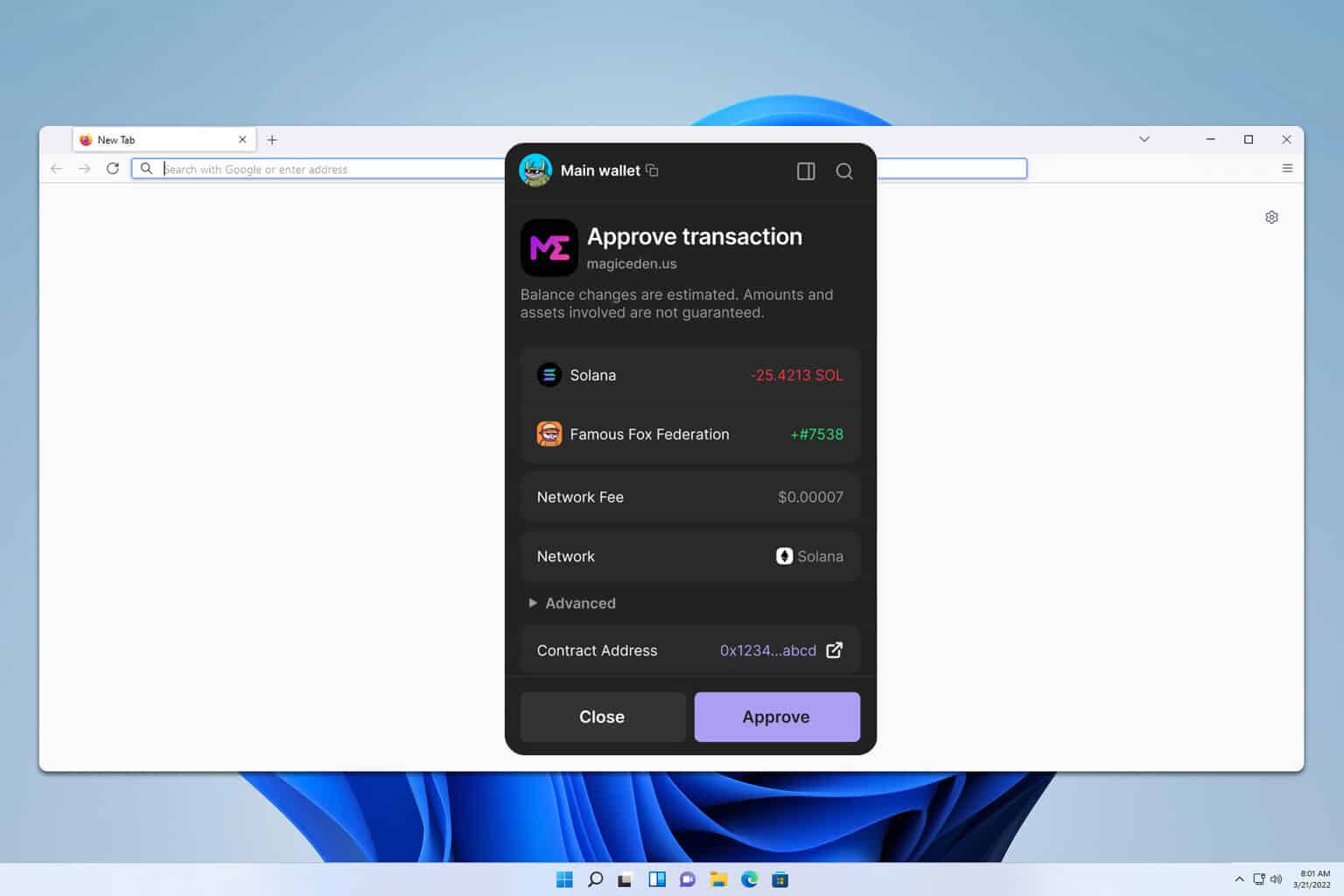
An NFT wallet needs clear signing details and transaction previews.
If a browser extension buries the exact minting costs or bundling mechanics behind vague labels, you end up accidentally approving much more than intended, which is especially bad when gasless or meta-transaction systems obfuscate who ultimately pays for what.
So I started a checklist of must-haves for a Solana NFT wallet, mixing security hygiene with usability heuristics learned from testing various extensions and mobile apps over many months.
Seriously?
First, transaction clarity matters more than pretty icons and quick toggles.
Second, RPC and network handling should be obvious in the UI.
Third, hardware wallet support and clear guidance about exportable private keys matters for collectors who want cold storage options, because keeping keys in browser storage increases attack surface considerably.
Finally, because NFTs often involve multiple token standards and off-chain metadata links, the wallet’s preview and verification methods should help users detect scams or malformed token data before they click approve.
Okay, now—
Phantom nails several of those basics for me in practice.
It surfaces NFTs cleanly and shows token balances intuitively.
The in-extension gallery and integration with common Solana marketplaces makes browsing and managing NFTs much easier for collectors, though I still cross-check transaction data on a block explorer before approving big transfers.
I’m biased, but that balance between convenience and control is the reason many in the US crypto scene recommend Phantom when starting with Solana collectibles and small swaps.
Not perfect.
Some UX choices still bug me, especially around permission wording that reads like legalese.
Also, the mobile app differs slightly from the desktop extension.
If you’re migrating accounts between the extension and mobile, expect small mismatches in how NFTs are displayed and sometimes you need to reindex or refresh metadata which is annoying when you’re hunting a drop.
That said, the team releases updates fairly quickly and the developer tooling on Solana is mature enough that issues get resolved without months of silence, though I wish error messages were less cryptic for newcomers.
Quick thoughts on getting started
Okay, so check this out—
If you want to try it, I recommend installing the phantom wallet download extension from a trusted source.
I used the extension link during testing and found setup straightforward.
Download flows vary slightly by browser, so confirm the permissions screen shows only the accounts and networks you intend to expose to the web app before hitting approve, and if somethin’ smells off cancel and re-evaluate.
Also remember to back up your seed phrase offline in multiple secure locations; do not screenshot or store it in cloud notes where it can be phished.
Hmm…
Security basics still beat flashy features every time for long-term collectors.
Use hardware wallets when moving high-value NFTs between wallets or marketplaces.
Also, practice phishing hygiene: double-check domain names, validate signed messages out-of-band when possible, and avoid connecting your wallet to unfamiliar dapps that request wide-ranging approvals that could be used for rug pulls or siphoning tokens.
I know that sounds basic, but the number of times I saw collectors skip a verification step and then curse the UI (oh, and by the way… those recovery options are often ignored) tells you how human error remains the dominant failure mode.
FAQ
Do I need a separate NFT wallet on Solana?
Short answer: not always. If your wallet exposes clear previews and supports the tokens you hold, it’s fine for casual collectors, though heavy traders or institutions should consider hardware-backed solutions and segregated accounts for operational security.
Is Phantom safe for beginners?
It strikes a solid balance for newcomers by simplifying many flows, but beginners should still learn to read permission prompts and verify transaction details, because the safest habit is a skeptical one—seriously, be skeptical.

